Beckenham High Street flat removals insider tips
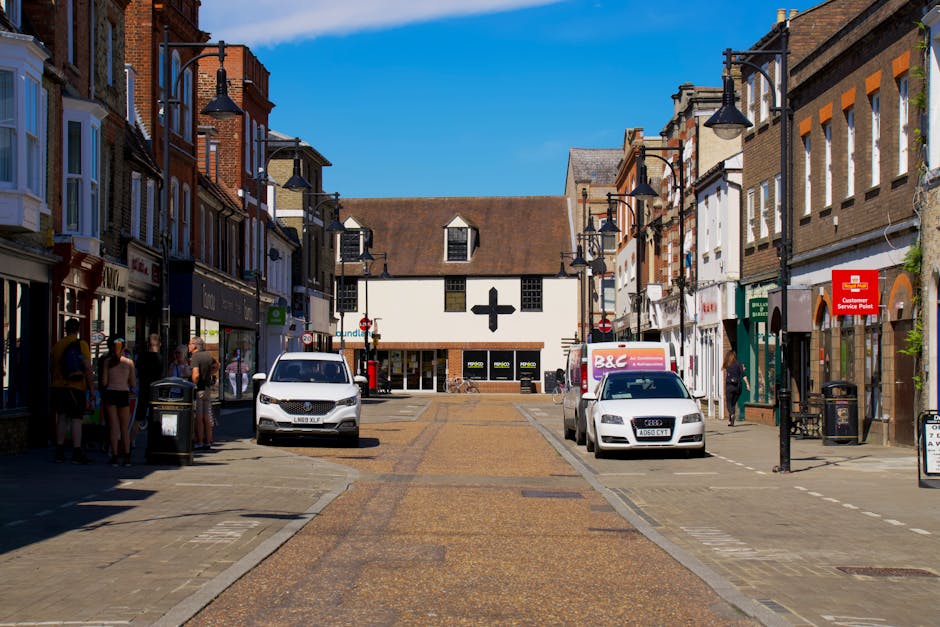
If you are planning a move on or around Beckenham High Street, you already know the headline problem: flats are rarely simple, and high street logistics can turn a straightforward removal into a bit of a juggling act. Tight stairwells, limited parking, awkward lift access, neighbours who are trying to get on with their day, and a moving van that needs to stop exactly where everyone else wants to park. Charming, really.
This guide on Beckenham High Street flat removals insider tips is built for people who want the move done properly, not just "done". You will find practical advice on planning, packing, timing, access, storage, and the little decisions that make a big difference on moving day. If you want a calmer move and fewer last-minute surprises, this is the kind of detail that helps.
One quick note before we dive in: every flat move is different. A studio above a shop is not the same as a top-floor two-bed with no lift, and a same-street move can still be surprisingly fiddly. The good news? A bit of insider thinking goes a long way.
Why Beckenham High Street flat removals insider tips Matters
Flat removals on a busy high street are less about brute strength and more about coordination. The biggest issues are usually not the boxes themselves; it is the environment around them. On Beckenham High Street, that can mean traffic flow, loading space, pedestrians, flats above shops, shared entrances, and the simple fact that one poor decision early on can ripple through the rest of the day.
Why does this matter so much? Because every minute saved at the planning stage tends to save several minutes later on. If the van cannot park near the entrance, if the sofa will not turn in the stairwell, or if the parking plan is vague, you pay for it in time, fatigue, and stress. That is the part people forget. Moving is physical, yes, but it is also a timing game.
There is also the neighbour factor. In close-knit flats, a move can affect everyone in the building. Good preparation reduces noise, congestion, and the awkwardness of having movers standing in a communal hallway while someone is trying to get past with a pram or shopping bags. A smoother move is simply kinder to everyone involved.
For many local moves, it can also help to compare the right support options early. If your move is small and quick, a man and van service may be enough. If you are dealing with a full flat, awkward furniture, or a narrow staircase, a more structured flat removals service may be the safer fit.
Expert summary: the best flat moves on Beckenham High Street are not the fastest ones on the day; they are the ones that were quietly made easier two weeks earlier.
How Beckenham High Street flat removals insider tips Works
In practical terms, a flat move works best when you break it into three stages: access, load, and settle. The access stage is everything about getting in and out cleanly. The load stage is about moving items out of the property in the right order. The settle stage is about making arrival at the new place less chaotic than the departure.
For Beckenham High Street specifically, start by thinking about the route, not just the property. Can a van stop close enough to make loading realistic? Will there be a short walk from parking to entrance? Is there a lift, and if so, is it big enough for larger items? Are there restrictions around timing or building access? These small questions decide whether a move feels controlled or rushed.
The most helpful insider tip is this: do a visual walk-through of your current flat with a moving mindset. Stand at the front door and imagine every item leaving the property. What gets stuck first? Bed frames? A mattress? Tall wardrobes? A table with fragile legs? You can usually spot the problem before moving day if you look at the space as a route map instead of a home.
Then there is the packing side. Good packing is not just neatness, it is load efficiency. Uniform boxes stack better. Clearly labelled boxes go into the right rooms faster. Dismantled furniture gives you more room in the van. And a small "first night" bag saves the awkward rummaging for a kettle, charger, or toothbrush when you are already tired and slightly over it.
If you want help with the physical packing stage, a service such as packing services can remove a surprising amount of pressure. And if you need items held for a few days or weeks between addresses, removals and storage can make the handover much easier.
Key Benefits and Practical Advantages
Good flat-removal planning is not just about avoiding disaster. It brings tangible benefits that are easy to feel on the day.
- Less stress: fewer unknowns means less scrambling and fewer decisions made under pressure.
- Faster loading: when boxes are grouped and furniture is prepared, movers can work in a cleaner rhythm.
- Lower risk of damage: protected corners, dismantled items, and better stacking all reduce the chance of knocks and scrapes.
- Better use of space: a well-packed van usually means fewer trips and less wasted time.
- Fewer building issues: clear access plans reduce friction with neighbours, concierge teams, or building managers.
- Smoother settling in: clearly labelled boxes and a sensible room-by-room plan make unpacking feel manageable.
There is also a subtle but important benefit: confidence. When you know what happens next, moving feels less like a gamble. You are not hoping the sofa fits; you already checked. You are not wondering where the heavy boxes go; you already labelled them. It sounds simple, but that certainty matters.
For people with smaller loads or a handful of bulky items, small removals can be a very practical choice. If you are moving more than just furniture and want one plan from start to finish, removals support may be the better all-round option.
Who This Is For and When It Makes Sense
This advice is useful if you live in a studio, a one-bed, or a larger flat on or near Beckenham High Street, but it is especially valuable if your building has one or more of these features:
- stairs without a lift
- shared entrances or narrow hallways
- limited roadside parking
- time-sensitive access arrangements
- fragile or awkward furniture
- children, pets, or busy household routines to work around
- a moving date that is tight, split, or uncertain
It also makes sense if you are moving locally and want to minimise the number of van journeys. A local move can look easy on paper and still get complicated when you are carrying a fridge down two flights of stairs while someone else needs the landing cleared. Truth be told, the smaller the space, the more every inch seems to matter.
Students, renters, first-time movers, downsizers, and people separating a household all tend to benefit from this kind of planning. If your move date is linked to another date and there is a gap between the two, short-term storage can be a lifesaver. You can look at short-term storage if you need temporary breathing room, or secure storage for items that need to be kept safely for longer.
Step-by-Step Guidance
Here is a practical way to approach a Beckenham High Street flat move without overcomplicating it.
- Audit the flat room by room. List every large item, fragile item, and awkward shape. Do not trust your memory on this one. Memory is strangely optimistic on moving week.
- Measure the difficult pieces. Measure the height, width, and depth of beds, wardrobes, sofas, and appliances. Also check doors, hallways, stair turns, and lift dimensions where relevant.
- Decide what should be moved, stored, or sold. If you are not sure about a bulky item, consider whether it is worth taking. Furniture storage can be useful if you need time before deciding. Have a look at furniture storage if you need a short pause.
- Book the right support early. If the move is simple, a smaller service may work. If it is more complex, do not wait until the week before. Local schedules can tighten quickly.
- Pack by room and priority. Use consistent labelling: kitchen, bedroom, bathroom, essentials. Put the heaviest items in smaller boxes so they stay liftable.
- Prepare a clear access plan. Tell the mover where to park, where to enter, which floor you are on, and whether the building needs advance notice.
- Set aside essentials. Keep medication, chargers, documents, toiletries, keys, and a change of clothes separate.
- Protect floors and corners. Use blankets, guards, or covers where needed, especially in a building where damage would be awkward to explain later.
- Walk the route before the load-out. A final check catches the weird little issues: a bin bag in the hallway, a mat by the door, a bike in the way. These things always appear at the worst moment.
A useful habit is to prepare one "open first" box. Put in kettle, tea, mugs, basic tools, toilet roll, phone charger, and snacks. Small things, big relief. Especially around tea time, when everyone has that slightly hollow look after a long day.
Expert Tips for Better Results
These are the little choices that experienced movers and organised customers tend to get right.
1. Use the staircase, not wishful thinking
If a sofa looks tight, assume it is tighter than you think. Measure the angle of the turn, not just the straight width. Some items move when tilted; some do not. If in doubt, dismantle earlier rather than later.
2. Keep heavy items in the right boxes
Books, kitchen equipment, and records get heavy fast. Smaller boxes are your friend here. A box that is technically "full" but impossible to lift is not a success. It is just a problem with handles.
3. Photograph cable setups before dismantling
TVs, routers, gaming setups, desk wiring, and printers are all easier to rebuild if you take a few quick photos first. It takes a minute. It saves twenty later.
4. Protect the building as if you rent there forever
Hallways, lifts, and entry areas can take a beating during a move. Blankets, careful lifting, and clear communication are worth it. The move ends, but the deposit conversation should not begin.
5. Decide in advance what is staying with you
Passports, laptops, medicine, jewellery, and documents should travel with you, not in the van. If you need somewhere safe for paperwork during a longer transition, document storage is worth considering for organised, off-floor keeping.
6. Be realistic about timing
People often underestimate the final hour. That is when the stairs feel steeper and the bins seem farther away. Build in a buffer. Not a dramatic one, just enough to breathe.
7. If in doubt, split the move
Sometimes the best move is two smaller moves instead of one heroic one. That can be especially true for flats with awkward access or when you are still sorting what you want to keep.
For customers who want a structured way to keep the whole job under control, it can help to compare local removals with a more compact man and van option. The right choice depends on the volume, the access, and how much lifting you want to avoid. Simple, but worth thinking through properly.
Common Mistakes to Avoid
Most moving headaches come from a small number of avoidable mistakes. They are common because they feel harmless at the time.
- Leaving access checks until the last minute. Parking and entry arrangements are not details; they are the frame of the whole move.
- Packing too much into large boxes. It saves time when packing and costs time when carrying.
- Forgetting to measure furniture against the route. A piece that fits in your flat may not fit through the building route in one piece.
- Not separating essentials. This is how people end up hunting for phone chargers while standing in an empty kitchen.
- Ignoring storage gaps. A date mismatch can force rushed choices. Short-term storage is often the safer bridge.
- Assuming movers know everything. They do not know your building quirks unless you tell them. The awkward rear entrance, the slow lift, the door that sticks in rain... all of that matters.
There is also a psychological mistake: trying to keep every decision open until moving day. That sounds flexible, but it usually creates pressure. A little commitment early on reduces the noise later. It really does.
If your move involves a lot of specialist planning or shared responsibility with a partner, landlord, or building manager, you may also find it helpful to review the practical boundaries in the site's terms and conditions and, where relevant, the insurance and safety information.
Tools, Resources and Recommendations
You do not need fancy equipment for a good flat move, but a few things make life easier.
| Tool or resource | Why it helps | Best for |
|---|---|---|
| Sturdy small boxes | Safer to lift and easier to stack | Books, kitchenware, heavy items |
| Labelling tape and marker | Makes room-by-room unloading faster | All moves |
| Furniture blankets | Helps protect surfaces and edges | Sofas, tables, wardrobes |
| Measuring tape | Prevents access surprises | Stairs, doors, lifts, furniture |
| Tool kit | Useful for dismantling and reassembly | Beds, shelves, fittings |
| Storage option | Bridges timing gaps or declutters the move | Split completions, downsizing, overflow |
For larger household transitions, you may also want to consider whether your situation is closer to a full house removals job than a simple flat move. That distinction matters because it changes the amount of packing, the access planning, and the team size you may need.
If your belongings are mostly personal, seasonal, or temporary, household storage can be a practical pressure valve. If you are moving for work, closing a workspace, or dealing with documents and files, the more specialist pages for office storage and business storage may also be relevant.
Law, Compliance, Standards, or Best Practice
For flat removals, the main compliance concerns are usually about safety, property care, and honest handling of goods rather than complex legal issues. Still, a sensible mover should operate with clear attention to risk, insurance, and safe working practices.
In the UK, that usually means a few basic expectations:
- items are handled safely and not dragged or dropped unnecessarily
- access routes are kept as clear as possible
- load weights are managed sensibly to reduce injury risk
- breakable or valuable items are identified early
- parking or loading arrangements are planned in advance where possible
- insurance and liability questions are discussed before the move, not after a problem arises
There is also a practical standard of honesty. If your sofa needs dismantling, say so. If the flat is on the fourth floor and the lift is out, say so. If a key can only be collected at a certain time, say so. These are not awkward details. They are the whole game.
When you are comparing services, it is worth checking the company's policies on payment, security, health and safety, recycling, and complaints so you know how they handle the bits that matter when things are less than perfect. That kind of transparency is a good sign. Boring? Maybe. Useful? Absolutely.
Options, Methods, or Comparison Table
Different flat moves call for different approaches. Here is a simple comparison to help you think it through.
| Option | Best for | Pros | Watch-outs |
|---|---|---|---|
| Man and van | Smaller moves, a few bulky items, quick local jobs | Flexible, often straightforward, useful for lighter loads | May not suit complex access or large volumes |
| Flat removals service | Typical apartment moves with furniture and access challenges | More structured, better for awkward spaces, often less stressful | Needs more planning and clear inventory |
| Removals and storage | Moves with date gaps, downsizing, or decluttering | Gives breathing room and reduces pressure | Requires planning around storage duration and retrieval |
| Short-term storage | Temporary gaps between homes | Helps bridge a handover mismatch | Another step to coordinate, so label everything carefully |
If your move is a bit of a hybrid, a combined plan is often smartest. For example, you might move the essentials straight away, place larger items into storage, and bring them back once the new flat is ready. That is especially helpful if you are waiting for decorating, keys, or furniture delivery. Not glamorous, but effective.
Case Study or Real-World Example
Picture a typical Beckenham High Street flat move: one-bedroom apartment, top floor, narrow stairwell, no lift, and a sofa that looked fine in the living room but less promising once it met the hallway corner. The move started well enough, but the first real challenge came before the van was even unloaded. Parking was tight, access was busier than expected, and a few boxes had been packed too heavily.
The turning point was simple. The items were split into categories, the heaviest boxes were repacked into smaller ones, the sofa legs were removed, and a clear loading sequence was set: essentials first, fragile items second, bulky furniture last. Once that happened, the whole day stopped feeling like a scramble.
The practical lesson? Most "difficult" flat moves are not impossible. They are just under-planned. Once access, packing weight, and order of loading were fixed, the rest became manageable. There was still some huffing up the stairs, of course. Moving is moving. But the difference between chaos and control was obvious.
In situations like that, it is often worth using a removals solution that can adapt to the route and the building, especially where a straightforward van-only approach may be too limited. And if you are stripping out a lot of furniture before the move, furniture storage can stop one or two oversized pieces from dominating the day.
Practical Checklist
Use this checklist as your final pre-move sanity check. It is the kind of list that quietly saves a day.
- Measure doors, stairs, and any lift access points.
- Confirm parking or loading arrangements.
- Separate valuables, documents, medication, and chargers.
- Pack heavy items into smaller boxes.
- Label every box by room and priority.
- Dismantle large furniture in advance where possible.
- Protect fragile items with enough padding, not just a token bit.
- Tell movers about awkward access, tight corners, or restricted entry times.
- Set aside an essentials box for the first night.
- Decide whether anything should go into storage.
- Keep keys, ID, and important contact details handy.
- Do one last hallway and kitchen sweep before the van leaves.
Quick takeaway: if you can make the route easier, the move gets easier. If you can make the boxes lighter, the day gets easier. If you can remove uncertainty before the morning starts, the whole thing becomes much calmer. That is the real insider trick.
Get a free quote today and see how much you can save.
Conclusion
Beckenham High Street flat removals are easier when you treat them as a planning exercise first and a lifting exercise second. The best outcomes usually come from small, sensible actions: measuring properly, packing by weight as well as by room, thinking through access, and allowing room for the unexpected. There is no magic to it, just good judgement and a bit of patience.
If you are facing a move with awkward furniture, a short gap between properties, or a building that makes access more complicated than it should be, do not panic. You have options, and most of them are more manageable than they look on the first read-through. One calm decision at a time. That is usually enough.
And once the last box is in and the kettle is on, you will be glad you planned it properly. Honestly, that first quiet cuppa in a new place can feel like a tiny victory.
Frequently Asked Questions
What are the best Beckenham High Street flat removals insider tips for a small flat?
For a small flat, focus on packing by weight, not just by room. Keep heavy items in smaller boxes, dismantle furniture early, and be ruthless about what actually needs to move. Small spaces create small surprises, so measure the route and keep an essentials box separate.
How far in advance should I book a flat removal?
As early as you reasonably can, especially if you need a specific day or have complicated access. Even for a local move, leaving it too late can limit your options. A bit of lead time helps with parking plans, packing, and any storage decisions.
Do I need a man and van or a full removals service?
That depends on volume, access, and how much lifting you want to handle. A man and van can suit smaller, simpler moves, while a full removals service is usually better for larger flats, awkward furniture, or properties with stairs and tight access.
What is the biggest mistake people make with flat removals?
The most common mistake is underestimating access. People often think about the furniture first and the route second. In reality, parking, stair turns, lifts, and hallways can shape the whole day.
Should I use storage during a flat move?
If your dates do not line up, or if you are downsizing and not ready to decide about some items, storage can be very useful. Short-term storage works well for gaps between properties, while secure storage is better for items you want kept safely for longer.
How should I pack fragile items for a flat move?
Use sturdy boxes, wrap items properly, and fill empty space so things do not rattle around. Mark the box clearly and avoid stacking heavy items on top. Fragile packing is one area where a little extra care pays off immediately.
What should I keep with me on moving day?
Keep valuables, documents, medication, keys, chargers, and a basic overnight kit with you. If there is one box you do not want buried under three layers of kitchenware, it is the essentials box.
Can I move furniture out of a flat without damaging the walls?
Yes, but it takes patience and the right preparation. Dismantle large items where possible, cover corners, and clear the route before moving bulky pieces. A slow, careful turn is usually better than a fast, hopeful push.
What if my flat has no lift?
Then access planning matters even more. Tell your mover in advance, measure stair turns, and consider whether some items should be dismantled or stored instead of carried in one piece. A no-lift move is manageable, but it rewards preparation.
Are packing services worth it for a flat move?
They can be, especially if you are short on time or have a lot of fragile items. Packing services reduce pressure and usually improve consistency, which can make the actual removal day smoother. It is not essential for everyone, but it is often a very good use of time.
How do I know if my sofa or wardrobe will fit through the stairwell?
Measure the item and the route, including corners and doorframes. Compare the widest and tallest points, and do not forget that angled movement changes the space needed. If the piece looks borderline, assume it will be trickier than expected.
What should I check before agreeing a removal plan?
Check access, timing, insurance or safety details, what is included in the service, and how the company handles any delays or changes. Clarity at the start saves awkwardness later. It is a boring conversation, maybe, but a very useful one.
If you are planning a move soon, start with the awkward details first. Once those are handled, the rest of the day tends to fall into place surprisingly well.